NYCHA Recycles!
NYCHA’s recycling program is basically NYC recycling rules + NYCHA-specific setup (blue/green bins, signage, resident guidance, and coordination with DSNY pickup). The big idea is: NYCHA wants residents to recycle more because recyclables are a large share of NYCHA’s waste stream—NYCHA’s resident guidance notes that recyclables make up more than one-third of NYCHA’s waste stream, so increasing recycling meaningfully reduces trash.
Below is a practical guide to what the NYCHA recycling program is, what goes where, and what residents can do to make it work in real life.
1) What NYCHA’s Recycling Program is (in plain language)
NYCHA runs recycling at its developments by providing a system for residents to separate waste into the main DSNY recycling streams and place it in the correct bins/locations onsite (often in waste rooms, bin areas, or designated collection spaces). NYCHA’s official recycling page emphasizes raising recycling rates and also notes participation in DSNY organics (compost) programming.
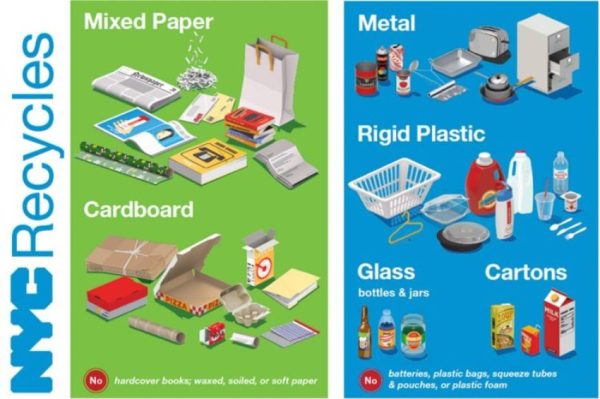
NYCHA is not “inventing new categories”—they’re aligning with DSNY’s categories for residential recycling citywide:
- Metal, glass, plastic, and cartons (commonly “blue bin” stream)
- Mixed paper and cardboard (commonly “green bin” stream)
2) What to recycle: the two main streams NYCHA uses (Blue vs Green)
A) Blue stream: Metal, Glass, Plastic & Cartons
DSNY’s rule is that these go together (set out in a labeled bin with lid or a clear bag, depending on building setup). DSNY also stresses empty/rinsed containers to reduce odors and pests.
Examples that ARE accepted (high-level):
- Metal: cans, foil/trays, lids/caps, some metal household items
- Glass bottles and jars (not mirrors/light bulbs/drinking glasses)
- Rigid plastics (DSNY says the number doesn’t matter; focus on rigid plastics)
- Cartons: milk/soup/juice cartons go in this stream (not with paper)
B) Green stream: Mixed Paper & Cardboard
DSNY’s main resident recycling page lists mixed paper and cardboard as the second required stream.
Common examples:
- Mail, office paper, newspapers, paper bags
- Cardboard (flattened)
DSNY also notes cardboard should be flattened and bundled (and not used as the “bin”).
3) Organics/compost: NYCHA mentions participation, but availability can vary
NYCHA’s recycling page states that NYCHA participates in DSNY’s organics program.
At the same time, NYCHA sites have had real infrastructure constraints. A USDA/NIFA project description focused on NYCHA food waste diversion notes that many NYCHA developments lack convenient, accessible infrastructure for composting and recycling and describes efforts aimed at expanding outreach and resources for food scrap collection and composting at NYCHA campuses.
So, practically:
- Some NYCHA developments may have organics collection options onsite or nearby.
- Others may be earlier in the rollout and rely more on education, pilots, and partner programs.
4) Why correct recycling matters in NYCHA buildings (the “so what”)
Correct sorting and clean recycling matters extra in high-density housing because:
- Contamination (food/liquid left in containers, mixed streams) can cause entire loads to be rejected and can create odors.
- Pest attraction: DSNY explicitly notes rinsed containers are less attractive to rodents and roaches—a very real issue in many buildings.
- Space and overflow: DSNY’s rules for buildings with 4+ units require designated recycling storage areas, adequate bins, and signage—because overflow and confusion quickly become building-wide problems.
5) Practical “NYCHA resident” tips to recycle successfully (and avoid common mistakes)
Do these 5 things:
- Separate into the two streams (blue vs green).
- Empty and rinse bottles/jars/containers (quick rinse is enough).
- Keep cartons out of paper (cartons go with metal/glass/plastic).
- Flatten cardboard to prevent overflow.
- Don’t “wishcycle”: if it’s not accepted, trash it—some items jam machines or contaminate loads.
Common “NO” items that people try to recycle (but shouldn’t)
DSNY lists many non-accepted items in the blue stream, including:
- Plastic bags/soft plastics (wrappers, film, bubble wrap)
- Foam (Styrofoam)
- Tanglers like cords/wires/hoses
- Dishes, mugs, drinking glasses
- Light bulbs/mirrors/windows
6) Where to find NYCHA-specific instructions
NYCHA maintains a resident-facing page for recycling (what to recycle in bins, program goal, and organics participation). That’s the best “NYCHA official” starting point.
For the most detailed “what goes where” list, DSNY’s pages are the citywide source of truth for recycling categories and rules.
Value-add: a simple “cheat sheet” you can post in a building or share with neighbors
BLUE (containers): metal + glass bottles/jars + rigid plastic + cartons (rinse)
GREEN (paper): paper + cardboard (flatten cardboard)
NEVER: bags/film, foam, cords/hoses, dishes/drinking glasses, light bulbs/mirrors
If you want, I can also write a one-page NYCHA lobby flyer version (large headings, simple examples, and “top 10 mistakes to avoid”) that matches NYC’s blue/green bin language.